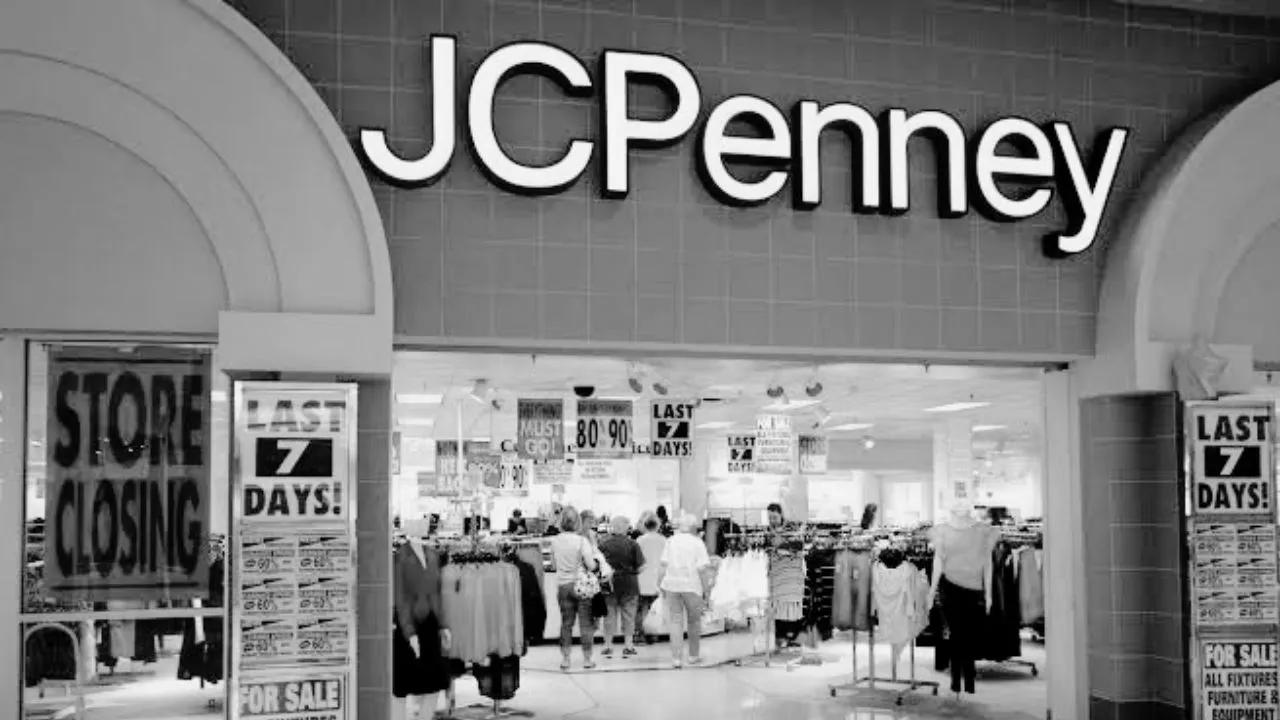
JCPenney keeps making headlines for store closures, and a lot of shoppers are asking the same question: is the whole chain about to disappear? The short answer is no. But the full picture is more complicated than a simple yes or no.
This article covers what’s actually going on — whether JCPenney is still open, what the recent closures really mean, how many stores are left, what happened during bankruptcy, and whether the company has a realistic future ahead of it.
JCPenney Is Still Open — But It Has Been Shrinking for Years
Let’s start with the direct answer: JCPenney is still operating. As of 2026, the company runs around 641 stores across the U.S., according to its own store locator. That’s a real business, not a company in its final days.
The company is not shutting down, liquidating assets, or filing for bankruptcy again. Store closures are happening, but they are selective — specific locations closing for specific reasons, not a chain-wide shutdown.
This is an important distinction. A store closing is not the same as a company closing. Think of it like pruning branches versus cutting down the whole tree. When one branch gets trimmed, the tree keeps growing. JCPenney has been trimming, but the tree is still standing.
The reason so many people think the company is about to disappear is because closures make news. Every time a location shuts, local headlines run the story. Over time, that adds up and creates the impression of a company in total collapse — even when the broader chain is still functioning.
What the 2020 Bankruptcy Actually Meant
To understand JCPenney’s current situation, you need to understand what happened in 2020. The company filed for Chapter 11 bankruptcy in May of that year. That sounds alarming, but Chapter 11 is not the same as going out of business.
There are two main types of bankruptcy that matter here:
- Chapter 11 — The company restructures its debts and operations while continuing to operate. It’s a legal process designed to give businesses a path forward.
- Chapter 7 — The company closes completely and sells off its assets to pay creditors. This is what most people picture when they hear “bankruptcy.”
JCPenney filed Chapter 11, not Chapter 7. That means stores stayed open. Online sales continued. Employees kept working. The company was reorganizing, not shutting down.
As part of that restructuring, JCPenney did close around 240 stores. That was a significant cut. But the goal was to emerge leaner and more financially stable — and that’s what happened. The company came out of bankruptcy with just over 600 locations still operating.
So the shrinkage you’re seeing now is partly a continuation of that process, not a sign that something new and terrible has gone wrong.
Why Stores Are Still Closing in 2025 and 2026
JCPenney confirmed eight store closures in 2025. In 2026, at least three more locations were confirmed as closing. These numbers are real, but they need context.
The reasons behind individual closures tend to be practical and location-specific:
- Lease agreements expiring with no acceptable renewal terms
- Low foot traffic at a particular mall or shopping center
- Weak local sales that don’t justify the operating costs
- High occupancy costs that make a location unprofitable
These are normal business decisions. A single store can close because the landlord raised rent or because the mall it sits in has lost most of its anchor tenants. That has nothing to do with whether the broader company is in trouble.
JCPenney has also said publicly that it does not have plans to significantly reduce its overall store count. Fox Business reported this directly. The company expects a handful of closures each year, driven by leases and market conditions — not a strategic retreat from retail.
That said, it would be wrong to say the company is fully stable and out of danger. Ongoing closures, even small ones, reflect real pressure. The retail environment is difficult, and JCPenney is not immune to that.
What the 119-Store Property Sale Actually Means
One of the most misunderstood recent developments involves a deal that made a lot of headlines. Reports surfaced of a $947 million agreement to sell 119 JCPenney store properties to a company called Onyx Partners. That sounds like a massive sell-off — but it’s not what most people assume.
This was a real estate transaction. The deal involved the physical properties where certain JCPenney stores are located, not the JCPenney brand, its inventory, or its business operations.
Retailers do this kind of thing more often than people realize. A company sells a building it owns, then leases it back from the new owner. This frees up cash without shutting down the actual business. It’s a financial tool, not a sign of collapse.
The deal did create some uncertainty. When a third party owns the building your store sits in, future lease terms become a question mark. Some of those 119 locations may eventually face decisions about renewal. But none of that means JCPenney as a brand is being sold off or that those stores are automatically closing.
If you saw a headline like “Over 100 JCPenney stores sold,” it’s easy to read that as “100 stores closing.” That’s not what happened. The properties changed ownership. The stores, in most cases, kept operating.
The Bigger Picture: A Long, Uneven Turnaround
Here’s a more useful way to think about JCPenney’s situation. The company is not going out of business, but it is also not thriving in the way it did decades ago. It’s somewhere in between — working through a long and uneven turnaround.
The pressures JCPenney faces are real and well-documented:
- Mall traffic has been declining for years, which hurts any store that relies on foot traffic from a shopping center
- Competition from fast fashion brands and e-commerce has taken significant market share
- Consumer habits have shifted, and legacy department stores have struggled to keep up
JCPenney is not alone in facing these challenges. Many traditional retailers have had to close locations, restructure, or reinvent themselves. Some have made it. Others haven’t.
For JCPenney specifically, there are signs of continued operation rather than a spiral toward closure. Traffic data has shown some improvement since the bankruptcy restructuring. Online operations remain active. The store count, while down significantly from its peak, is still substantial at over 640 locations.
If you’re looking for a realistic assessment, the company is navigating a difficult retail environment with a smaller, trimmed-down footprint. Whether it fully stabilizes depends on factors like leadership decisions, consumer trends, and how well the remaining stores perform.
For more practical business coverage and retail analysis, Smart Business Base is worth bookmarking.
What You Should Actually Take Away From This
If you shop at JCPenney or you’re just trying to understand what’s happening, here are the straightforward takeaways:
- JCPenney is not going out of business right now
- The company still operates over 640 stores in the U.S. as of 2026
- Store closures are happening but are driven by lease issues and local performance, not a total wind-down
- The 2020 bankruptcy was a restructuring, not a liquidation — the company came out of it still operating
- The 119-store property sale was a real estate deal, not a sign the brand is being sold off
- The company faces real long-term pressure, but there is no current evidence of an imminent shutdown
The smartest thing you can do is check JCPenney’s store locator if you want to know whether a specific location near you is still open. Don’t rely on headlines alone — they tend to make individual closures sound bigger than they are.
JCPenney is shrinking, slowly and selectively. But it’s still there. Whether it stays there over the next decade depends on how well it adapts — and that’s the more interesting question worth watching.
Also Read:
- Is Slide Insurance Going Out of Business?
- Is Popshelf Going Out Of Business?
- Is G&L Going Out of Business?